About us
Built by travelers who grew up in Bolivia
The Mirror of the World is an independent guide to the Salar de Uyuni and part of a small network of travel sites that help you plan, book and enjoy your trip with confidence.
Our story
From Bolivia to the USA, and back to the salt
The Mirror of the World was founded by a family who grew up in Bolivia and later built a new life in the United States. That journey between two very different worlds taught us something simple: travel feels exciting when you have the right information, and stressful when you do not.
Today our team is split between Bolivia and the USA. We focus on the details that matter when you book a tour, a flight or a hotel: the right dates, the real meeting point, the true price and the documents you need. Getting those details right is how we respect your time, your money and your trip.
Where it all began
I grew up in La Paz, about 3,600 meters up
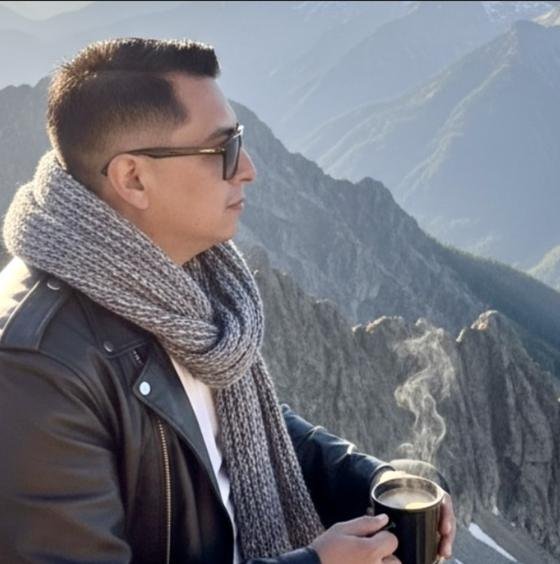
Hi, I’m Franz, the founder of The Mirror of the World. I grew up in La Paz, Bolivia, a city that sits in a deep canyon below the Altiplano, with the snow-capped Illimani watching over it. Growing up there means you learn early what altitude really feels like: the air is thin, the sun is strong, the nights are cold, and a short walk uphill can leave you breathless.
La Paz is one of the highest cities in the world. The city center sits at roughly 3,600 to 3,650 meters (about 11,900 ft) above sea level, and El Alto, where the international airport is located, is above 4,000 meters. That is why, in every guide on this site, we insist on taking the first days slowly, drinking plenty of water, eating light and listening to your body before heading to the Salar or Lake Titicaca.
From La Paz I started exploring my own country: weekend trips, family visits and long bus rides across the Altiplano. Those journeys took me to the places that still shape everything we write today, from the white silence of the Salar de Uyuni to the sacred islands of Lake Titicaca.
Places I know first-hand
The Bolivia I grew up exploring
These are some of the places I came to know over the years. For each one I have linked the tour I would recommend to a friend, booked through Civitatis with local licensed guides.
Potosí · 3,656 m
Salar de Uyuni
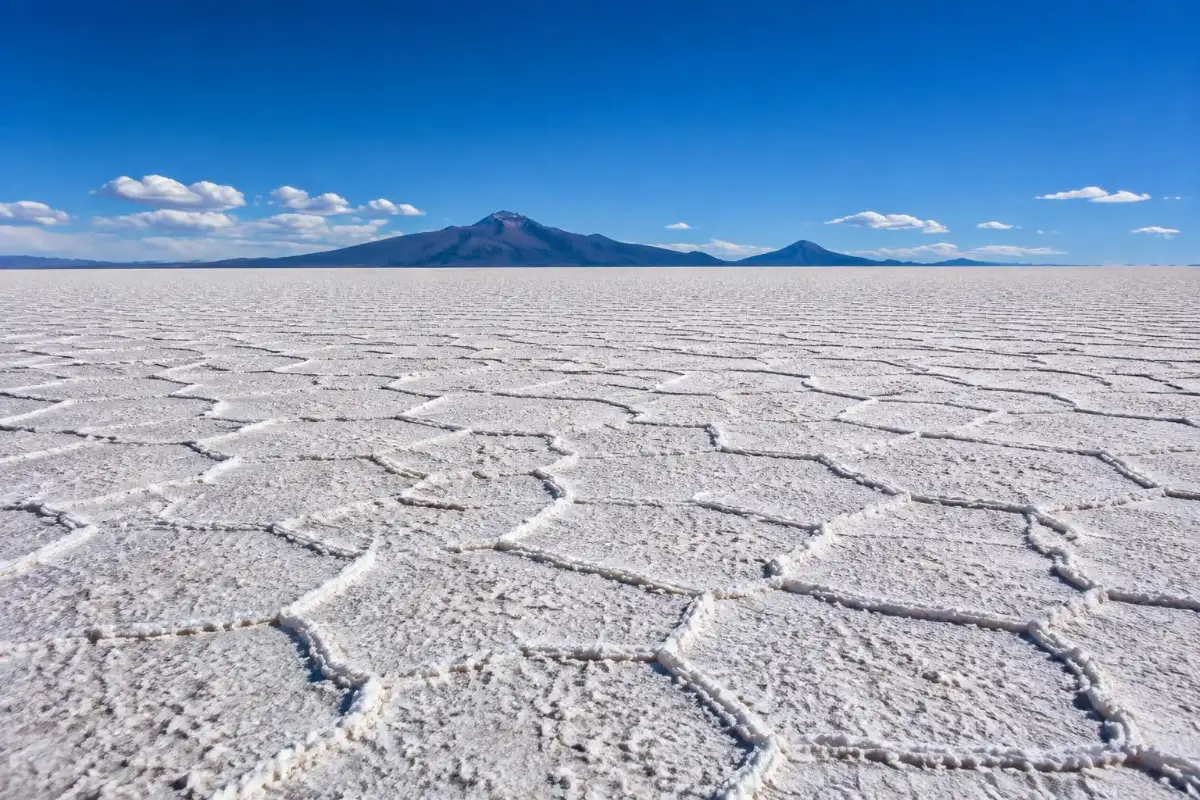
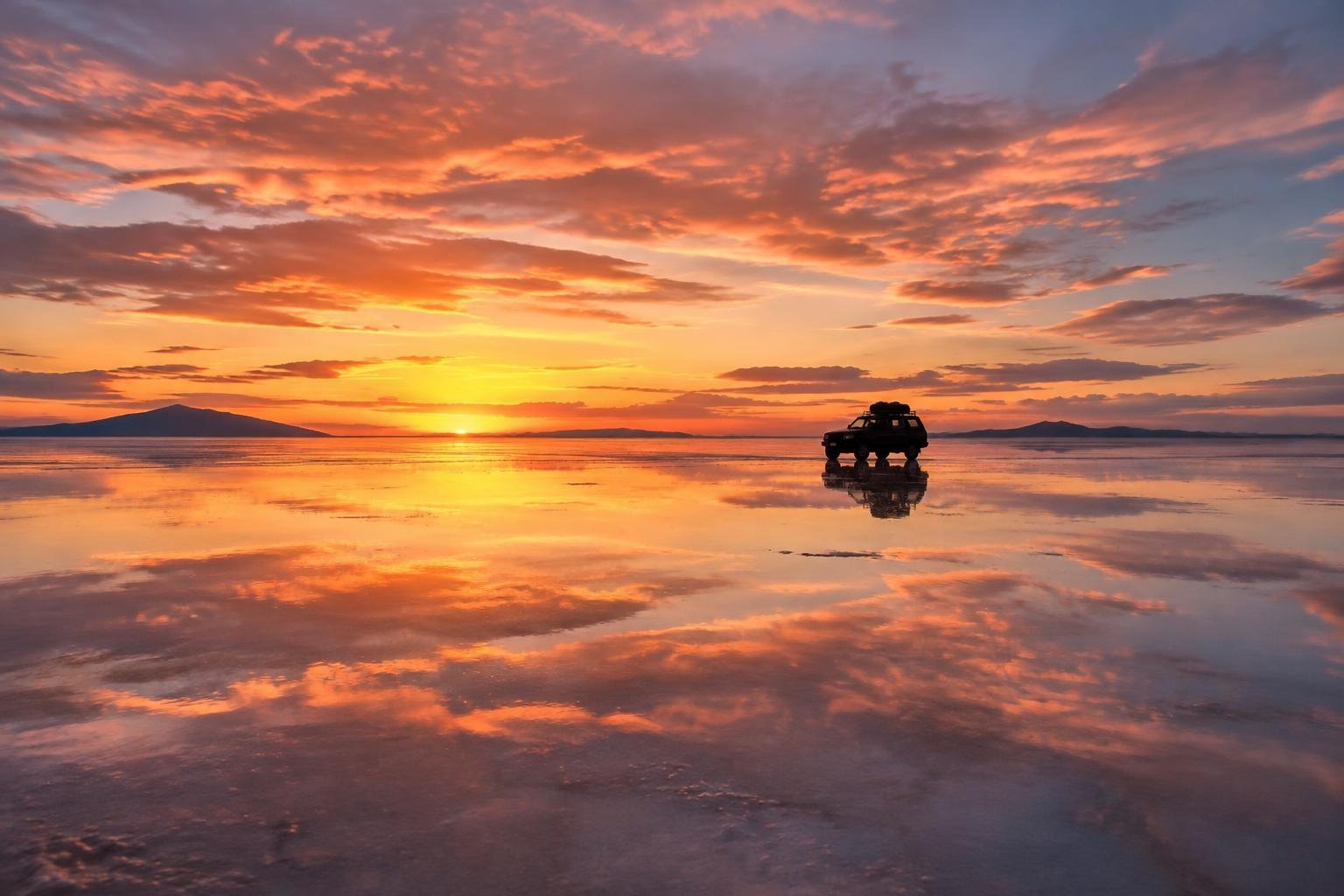
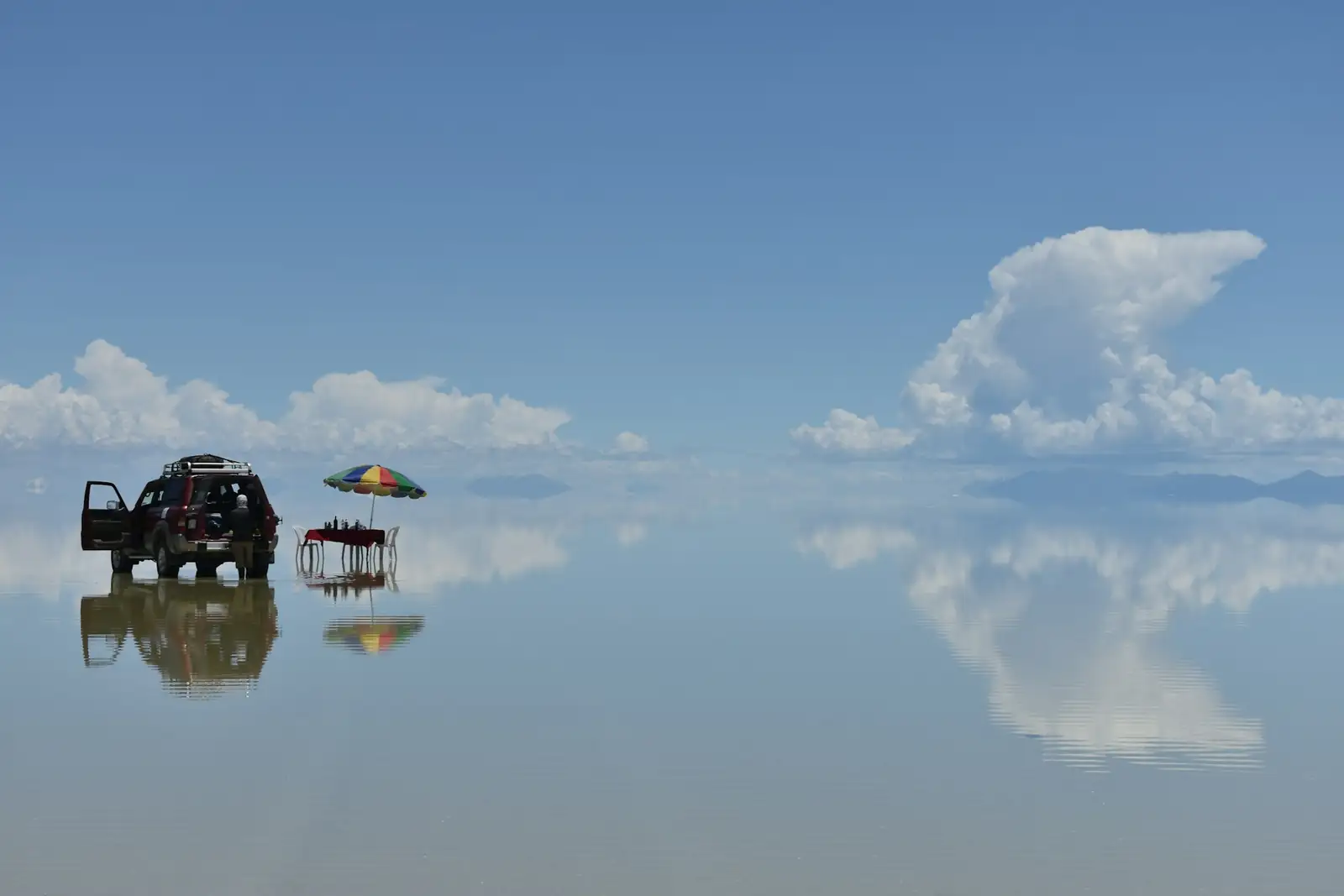
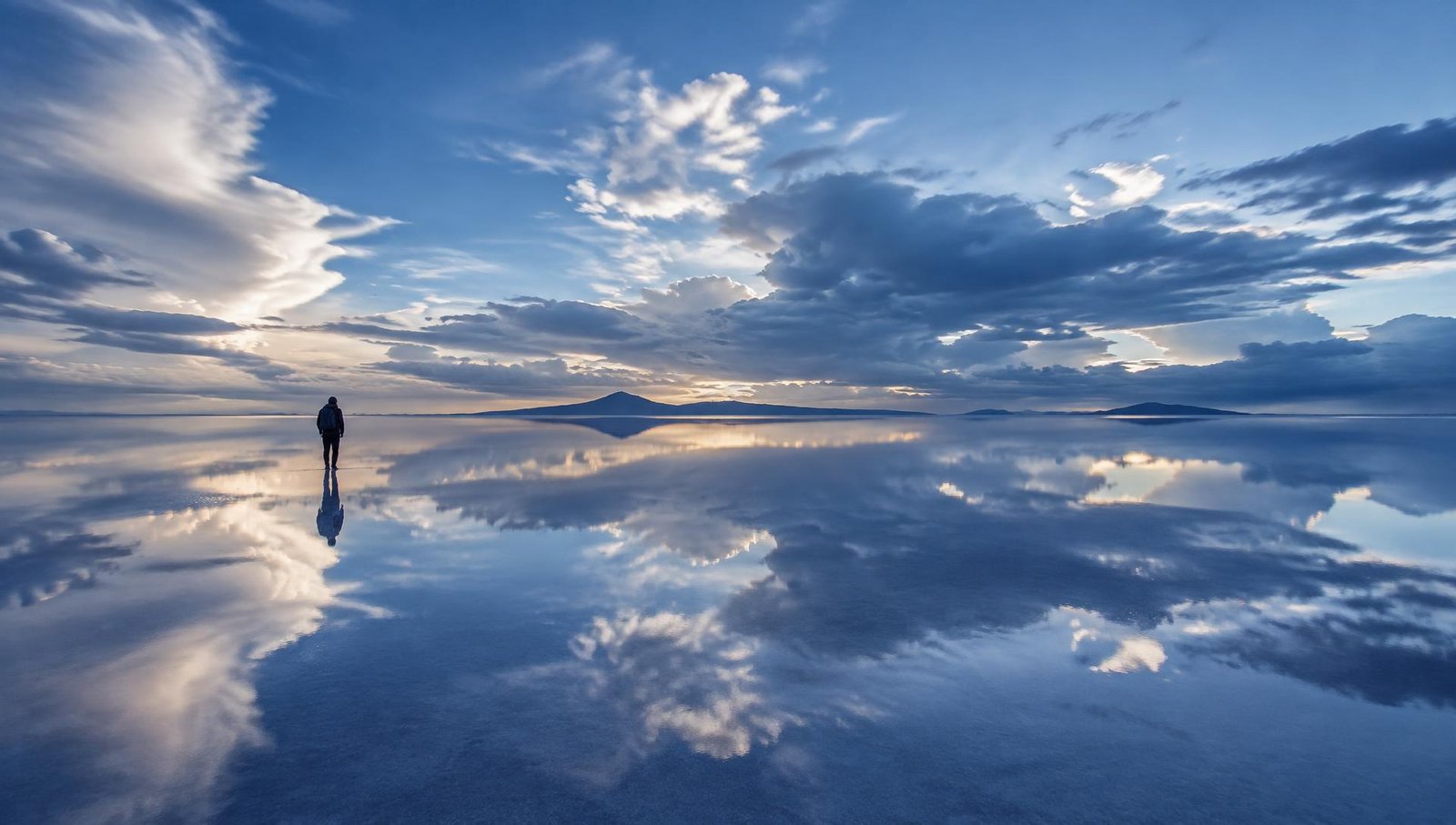
More than 10,000 km² of salt, the largest salt flat on the planet. In the rainy season it turns into a giant mirror; in the dry season it becomes an endless white floor of hexagons. It is the reason this website exists.
See the Salar de Uyuni tour →Lake Titicaca
Copacabana
A small lakeside town on the shore of Lake Titicaca, known for its white basilica of the Virgin of Copacabana and its sunsets over the water. To get there from La Paz you cross the Strait of Tiquina by boat, and from its bay leave the boats to Isla del Sol.
See the Copacabana tour →La Paz department
Tiwanaku
The capital of one of the oldest civilizations of the Andes, a short drive west of La Paz near Lake Titicaca and a UNESCO World Heritage Site since 2000. Walking among its temples, monoliths and stone walls is like opening a history book.
See the Tiwanaku tour →Tiwanaku
Puerta del Sol
The Gate of the Sun, a monumental doorway carved from a single block of stone inside the Kalasasaya temple. Its central figure and carved frieze are among the most iconic images of pre-Inca art in South America.
Visit the Gate of the Sun →La Paz
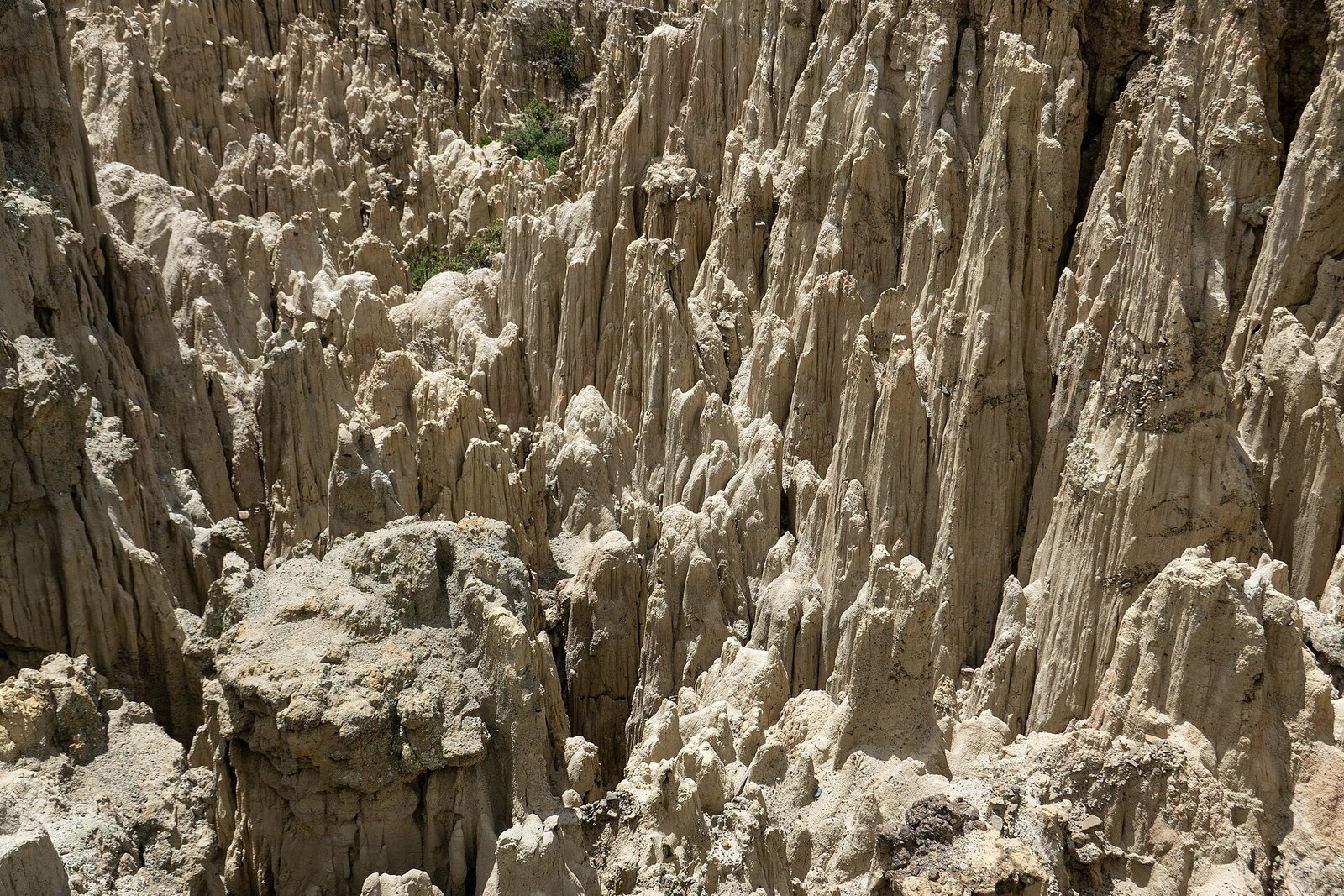
Valle de la Luna
Just south of the city, wind and rain have carved the clay hills into a maze of spires and canyons that really do look like another planet. It is one of the easiest half-day escapes from La Paz.
See the Valle de la Luna tour →Lake Titicaca · ≈ 3,810 m
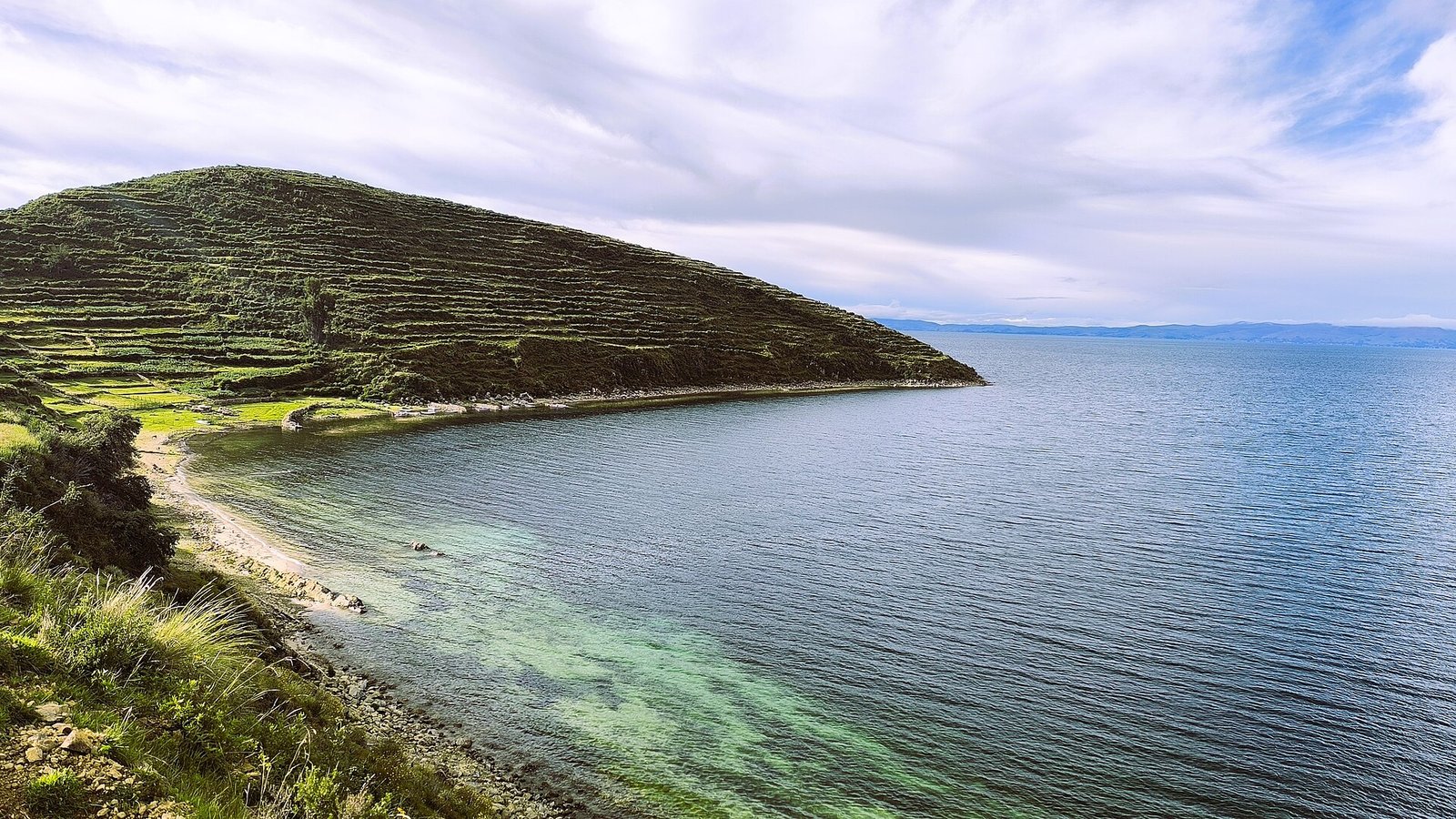
Isla del Sol
The Island of the Sun, which according to Inca tradition is where the sun was born. Terraced hillsides, Inca ruins, quiet trails and the deep blue of Lake Titicaca all around. It is reached by boat from Copacabana.
See the Isla del Sol tour →One network · four travel sites
A family of travel guides
The Mirror of the World is one of several independent travel websites run by the same team. Each one covers a different part of the trip, so you can move from inspiration to planning to booking with sources you can trust, in English or in Spanish.
Thanks to years of first-hand experience traveling across Bolivia and South America, and working hand in hand with viajaatodoelmundo.com and uncovertheandes.com, we have built a small ecosystem of experiences, guides and trips. The idea is simple: every trip should follow an organized and safe plan, from the first idea to the moment you are back home.
Inspiration and destination guides come first. Then comes the practical planning: seasons, altitude, budgets, documents and what to pack. Finally, the bookings, with tours run by licensed local operators and partners we trust. Each website covers a different part of that journey, in English or in Spanish, so you always know where to look next.
themirroroftheworld.com
Our guide to the Salar de Uyuni: seasons, tours, salt hotels and flights.
02 · Englishuncovertheandes.com
Travel and trekking across Peru, Bolivia, Ecuador, Chile, Argentina and Colombia.
03 · Españolviajaatodoelmundo.com
Guías de viaje en español para destinos de todo el mundo.
04 · Españoltoursbaratos.com
Tours y excursiones a buen precio en los destinos más visitados.
How tours work
Guided tours booked through Civitatis
We do not run our own vehicles. The tours we recommend are booked through Civitatis, one of the largest platforms for guided tours and activities in the Spanish-speaking world. Each excursion is operated on the ground by a local licensed tour company with professional guides and drivers.
Booking, payment, confirmations, changes and cancellations are handled directly by Civitatis, under their own terms and customer support. When you book through our links we may earn a small commission, at no extra cost to you. It helps us keep this guide free and up to date.
Why we trust Civitatis. Civitatis was founded in 2008 in Madrid, Spain, so it has been helping travelers for more than 18 years. Today it offers over 90,000 tours and activities in more than 4,000 destinations around the world, and by 2025 it had served more than 30 million travelers. Prices are shown up front, most activities can be cancelled free of charge up to 24 hours before, and the reviews on each activity are written by travelers who booked it. That track record is why we feel comfortable sending our readers, and our own family, through their platform.
The destination
What is the Salar de Uyuni?
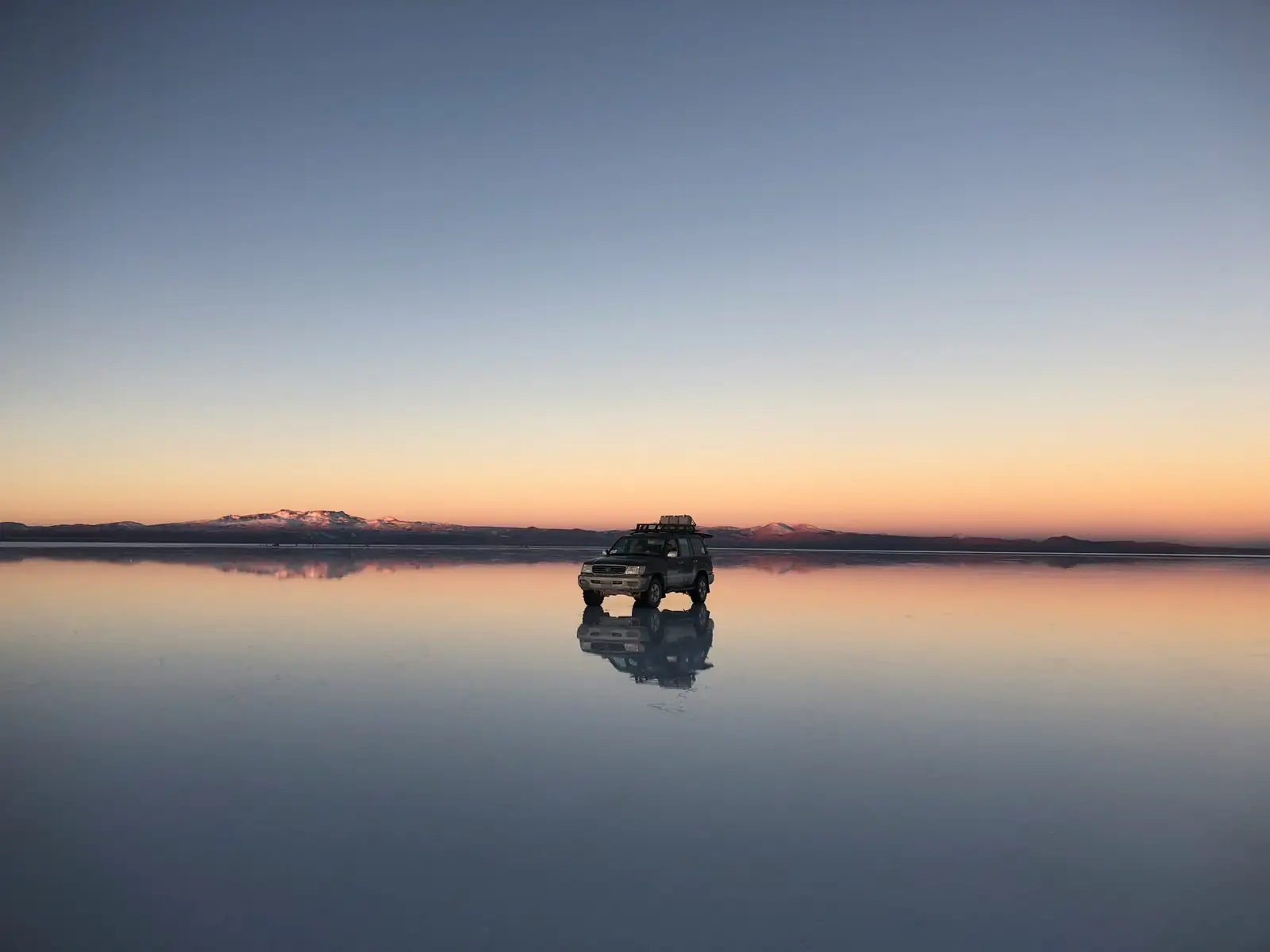
The Salar de Uyuni is the largest salt flat in the world, about 10,500 km² of white salt crust on the Bolivian Altiplano, at roughly 3,650 m above sea level. It formed when prehistoric lakes evaporated and left behind a layer of salt several meters thick, with a huge reserve of lithium-rich brine underneath.
In the rainy season, from about December to April, a thin film of water covers the surface and turns it into the famous mirror, where the sky and the ground seem to merge. In the dry season the salt dries into a perfect pattern of hexagons that stretches to the horizon.
Around the flat you will find Incahuasi Island with its giant cacti, the train cemetery near Uyuni, the salt-block hotels of Colchani and, further south, the colored lagoons, flamingos and geysers of the Eduardo Avaroa Reserve.