
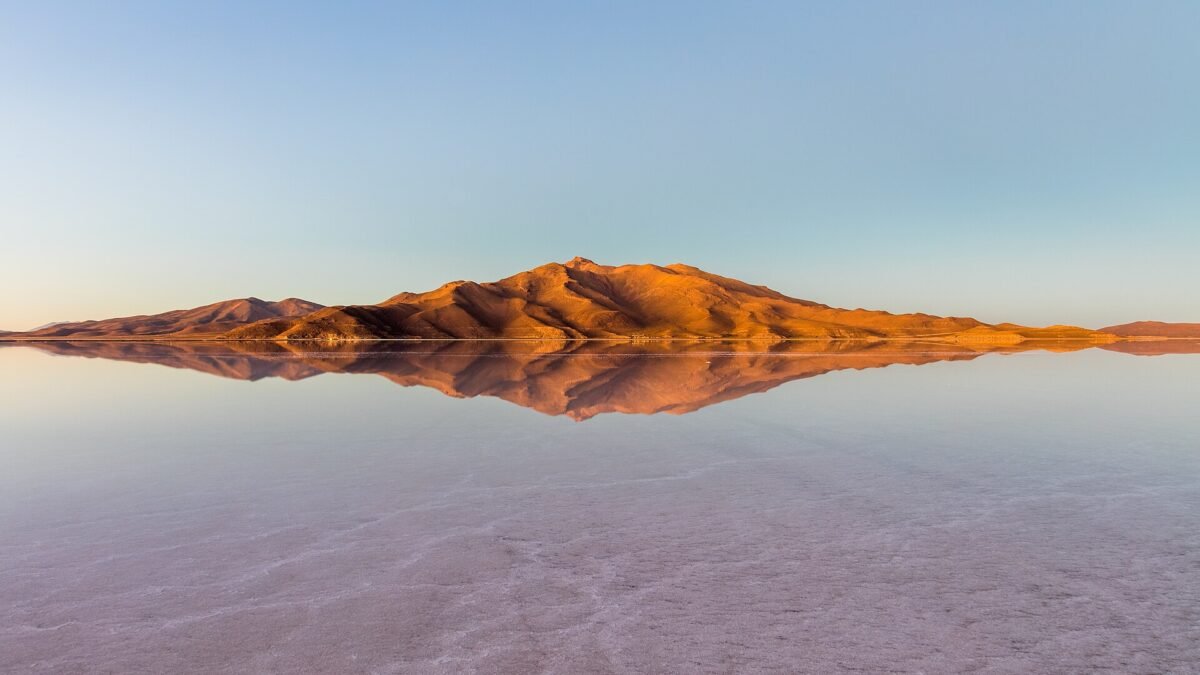
Ask five travelers what their Salar de Uyuni trip cost and you will get five very different numbers. One crossed on a shoestring with an overnight bus and a shared jeep; another flew in from La Paz and slept in a hotel built from salt blocks. Both saw the same white horizon. The difference is in the choices, and most of those choices are made before you ever reach Uyuni.
We grew up in Bolivia, and the question we hear most from friends abroad is not “is it worth it?” (it is) but “how much should I actually bring?” This guide answers that. Below you will find what it costs to get to Uyuni, the price range of 1-day, 3-day shared and private tours, the park and entry fees you pay in cash along the route, accommodation from dorm beds to salt hotels, food, tips, SIM cards, ATMs and the current currency situation, plus sample budgets for 3 and 5 days and the hidden costs that catch people out.
One important note first: every number here is approximate, gathered from 2024–2026 sources and operator listings at the time of writing. Bolivia’s currency situation changed sharply in 2026 (more on that below), and tour operators adjust prices by season. Use these figures to plan, then check before you go.
The short answer: what a Salar de Uyuni trip costs
If you are starting from La Paz and not counting your international flight, a realistic per-person range looks like this:
- Budget: roughly US$150–250 for a quick 3-day trip with a 1-day tour, or about US$250–370 for 5 days including the classic 3-day shared tour.
- Mid-range: roughly US$300–500 for 3 days, or about US$400–625 for 5 days with a better-rated shared tour, a tourist bus and private rooms in Uyuni.
- Comfort: roughly US$650–1,300 or more for 3 days, and about US$1,000–1,850 or more for 5 days with domestic flights, a private tour and salt-hotel nights.
The biggest swing factors are how you get there (bus vs. flight), which tour you pick (shared vs. private) and where you sleep in Uyuni. Food and fees are a small slice of the total, but they must be paid in cash, which is where planning matters most.
Getting to Uyuni: flights, buses and the train
Uyuni is a small town on the southern Altiplano, and almost every trip starts with a long overland journey or a short domestic flight. Our full route guide is in how to get to Uyuni from La Paz; here we focus on what each option costs.
Flights from La Paz to Uyuni
Boliviana de Aviación (BoA) flies between La Paz (El Alto airport) and Uyuni. At the time of writing, one-way fares we found on booking sites ranged from about US$100 to US$165, with many guides quoting around US$125–130 one way, so a round trip lands roughly in the US$200–340 range. Flying saves you a night on a bus, but the jump from about 3,600 m in La Paz to roughly 3,650 m in Uyuni does nothing to help with acclimatization, so you still need to take it easy on arrival. If you want to keep your options open, set fare alerts early: the route has limited daily seats and prices climb close to the date, especially in July, August and around Christmas.
✈️ Save a night on the bus
Compare La Paz–Uyuni fares before they climb
Seats on this short domestic route are limited. Checking early lets you see every available date and price in one search, including your international legs into La Paz.
Search flights →✓ Compare many airlines · ✓ Flexible-date search · ✓ No booking fees from Skyscanner
Buses from La Paz (and other cities)
The overnight bus is how most budget travelers arrive. Standard local companies such as Trans Omar or Trans Titicaca have been quoted at roughly US$15–30 one way, while the tourist-oriented Todo Turismo service, with more comfortable seats, a meal and a heated cabin, runs about US$41–45 one way. Because you sleep on board, an overnight bus also saves you one night of accommodation, which is real money on a tight budget.
Remember the small extras: a taxi to the La Paz bus terminal, the terminal-use fee that Bolivian bus stations charge, and a snack. They add only a few dollars, but they are cash expenses that are easy to forget.
The train from Oruro
The state rail operator (Ferroviaria Andina) runs two services between Oruro and Uyuni: the faster Expreso del Sur and the slower Wara Wara del Sur, which stops at more stations. The ride takes roughly five hours. Indicative fares at the time of writing were about 65 Bs in Salón class and about 100 Bs in Ejecutivo class, with Wara Wara usually a little cheaper. Trains run only on certain days of the week, so confirm the timetable and fare at the ticket office or the operator’s site before you build your plan around it. Getting from La Paz to Oruro first is a short, inexpensive bus ride.
The train is our favorite way to arrive for the views alone, and it is great value. The catch is the schedule: if it does not line up with your dates, the bus is the simpler choice.
| Option | Approx. one-way cost | Pros | Cons |
|---|---|---|---|
| Flight La Paz–Uyuni (BoA) | About US$100–165 | Fast, saves a travel day | Most expensive; limited seats |
| Tourist bus (Todo Turismo) | About US$41–45 | Comfortable, heated, meal included, saves a hotel night | Overnight; cold and tiring if you sleep poorly |
| Standard overnight bus | About US$15–30 | Cheapest way from La Paz | Less comfort; bring warm layers |
| Train Oruro–Uyuni | About 65 Bs (Salón) to 100 Bs (Ejecutivo) | Scenic and good value | Runs only some days; you still need to reach Oruro |
Tour prices: 1-day, 3-day shared and private
You cannot really “do” the Salar on your own unless you rent a 4×4 and know the terrain. Nearly everyone goes with a tour, and this is the single biggest line in most budgets. We compare operators and itineraries in detail in our Salar de Uyuni tours compared guide; here is how the prices break down.
1-day tours
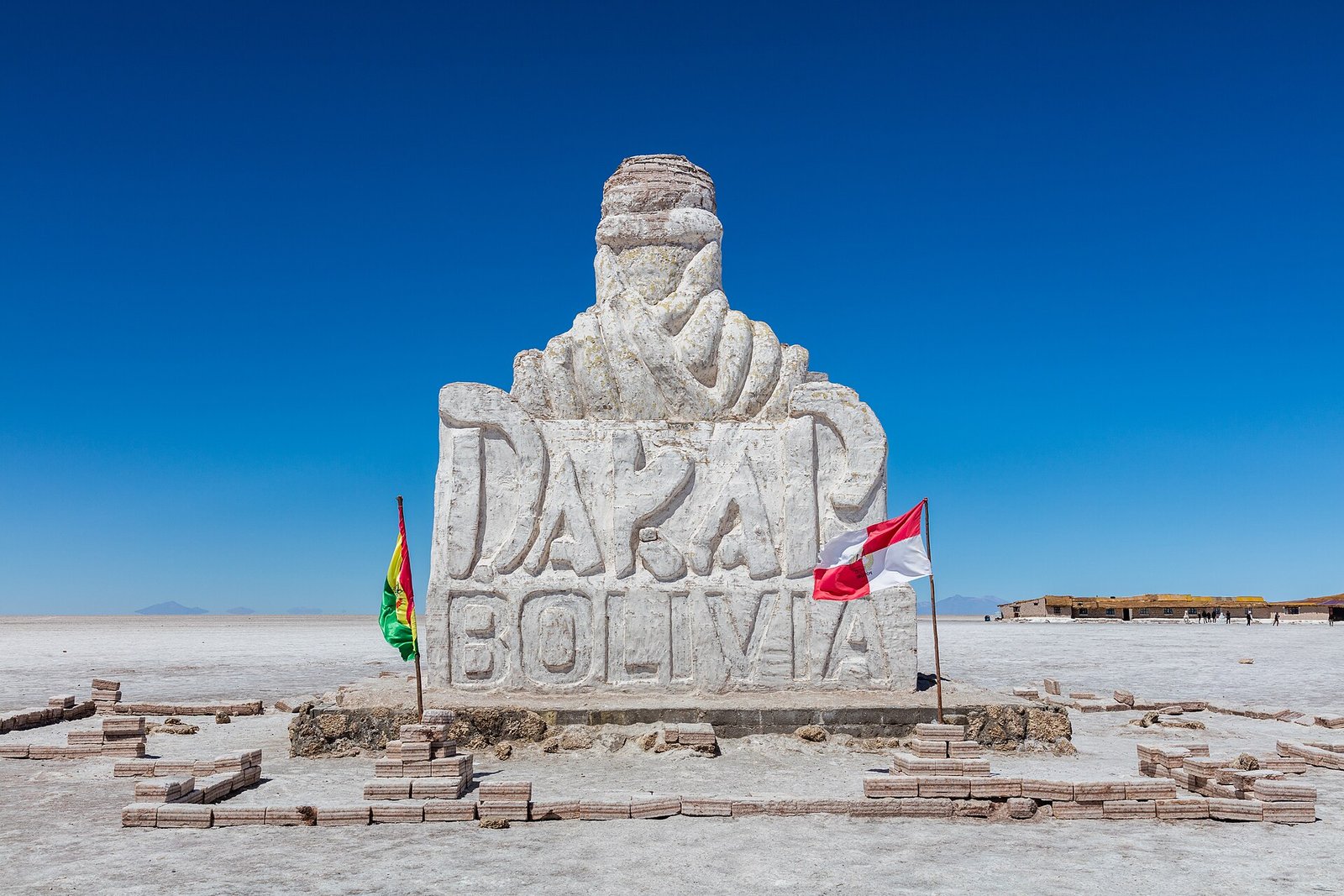
A full-day tour typically covers the Train Cemetery and the salt village of Colchani, the salt flat itself, the Dakar monument and, in the dry season, Isla Incahuasi, usually with lunch. Prices we saw ranged from about US$55 on the budget end to around US$80–120 for operators with English-speaking guides, better vehicles and hotel pickup. One widely sold option on Civitatis was listed from about US$107 at the time of writing, with the Incahuasi entrance (about US$4) not included.
3-day shared tours
The classic 3-day, 2-night circuit adds the high-altitude lagoons and geysers of the Eduardo Avaroa reserve. Shared tours with six travelers per jeep have been quoted from roughly US$150 at the budget end, about US$180–250 for mid-range operators, and US$250–400 for premium versions with private rooms and an English-speaking guide. The price usually includes the jeep, driver-guide, basic lodging (a salt hostel the first night and a simple refuge the second) and most meals. It usually does not include park fees, the hot springs, sleeping bag rental, snacks or tips.
If you are continuing to Chile, many operators end the tour at the border, with a transfer to San Pedro de Atacama. Expect roughly US$200–300 for standard versions. Our Uyuni to San Pedro de Atacama tour guide explains how the crossing works.
Private tours
A private jeep means your own schedule, your own photo stops and no negotiating over the front seat. For a 3-day private circuit, quotes we found sit around US$500–800 per person, and they depend heavily on group size: the jeep and driver cost the same whether you are two or four, so private tours get much cheaper per head when you fill the vehicle with friends or family.
| Tour type | Approx. price per person | Usually included | Usually extra |
|---|---|---|---|
| 1-day tour (budget) | From about US$55 | Jeep, driver, lunch | Incahuasi fee, toilets, tips |
| 1-day tour (English guide) | About US$80–120 | Jeep, guide, lunch, often hotel pickup | Incahuasi fee, tips |
| 3-day shared (budget) | From about US$150 | Jeep, driver, 2 nights basic lodging, most meals | Park fees, hot springs, sleeping bag, tips |
| 3-day shared (mid-range/premium) | About US$180–400 | Better lodging, sometimes private rooms and English guide | Park fees, tips |
| 3-day private | About US$500–800 | Private jeep and driver, flexible schedule | Park fees, tips |
| Ending in San Pedro (Chile) | About US$200–300 | 3-day circuit plus border transfer | Park fees, tips, Chilean entry formalities |
One more variable is the season. In the rainy months, when the mirror effect appears, some routes (including Incahuasi) can be cut off and itineraries change, while the dry season is peak demand, and prices and availability shift accordingly.
🧂 Book the salt flat
Lock in your Uyuni tour with a fixed price
Booking ahead lets you read what is included, compare 1-day and multi-day options, and know your tour cost before you land instead of haggling on arrival.
See Uyuni tours →✓ Clear inclusions listed · ✓ English-language tour descriptions · ✓ Reviews from past travelers
Park and entry fees you pay in cash
This is the part people under-budget. Entering the salt flat itself is free, but several stops charge an entrance fee, and almost none of them accept cards. Your driver will tell you when to have money ready, but you need small bills in bolivianos.
- Eduardo Avaroa Andean Fauna National Reserve: about 150 Bs per foreign visitor, paid at the checkpoint on the multi-day route. With the 2026 exchange-rate shift, that works out to very roughly US$12–22 depending on the rate you get.
- Isla Incahuasi: about 30 Bs per person (often quoted as about US$4), paid on the island. Only relevant when your tour stops there.
- Polques hot springs: a small fee, commonly quoted at about 6 Bs, though some recent reports mention more. Bring a little extra.
- Toilets: typically about 1–6 Bs per use at remote stops and terminals. On a 3-day tour this adds up.
- Train Cemetery and Colchani: generally no formal entrance fee at the time of writing; buying a small souvenir or salt sculpture is how most visitors support the village.
A recent local guide recommends carrying about 200–250 Bs in cash on top of the tour price for a 3-day trip, which matches our own experience once you include toilets, a snack or two, the hot springs and a sleeping bag rental. That does not include tips.
Local tip: break your large notes in Uyuni before the tour leaves. Ask for 10 and 20 Bs bills at a shop or your hotel. Nobody at a remote toilet or a lagoon checkpoint will have change for a 200 Bs note.
Accommodation: Uyuni town vs. salt hotels
If you take a 3-day tour, two nights of lodging are already in the price. You will still likely need a night in Uyuni before or after, and if you only do day tours, you will stay in town or on the edge of the salt flat.
Uyuni town
Uyuni has hostels and simple guesthouses at roughly US$10–25 per night, and mid-range hotels at about US$30–80. Many travelers note that rooms here cost a bit more than in La Paz for a lower standard, mostly because of heating and water costs in a remote desert town. Before you book, check reviews for one thing above all: heating. Nights in Uyuni are very cold for much of the year.
🏨 Sleep warm in Uyuni
Find a heated room before the night you arrive
Search hotels in Uyuni and La Paz side by side and filter by the features that matter here, like heating and breakfast, so an early tour start does not mean a cold night.
Search Here for Hotels.com Best Hotel Deals!✓ Compare hotels in one place · ✓ Guest reviews · ✓ Filters for amenities
Salt hotels
Salt hotels sit on the edge of the salar, mostly around Colchani and Tahua, with walls, furniture and sometimes beds built from salt blocks. They are the splurge of the trip: expect roughly US$100–250 or more per night. At the time of writing, booking sites showed Luna Salada from about US$163 per night and Palacio de Sal from about US$259 per night, with higher rates in peak season. Many include breakfast and dinner, which offsets some food costs, and they put you right at the salt flat for sunrise. Our salt hotels near Salar de Uyuni guide covers which ones are worth it.
Do not confuse these with the “salt hostel” included on night one of a budget 3-day tour. That is a simple, shared-bathroom lodge built of salt, warm enough and memorable, but not a hotel experience.
✨ The splurge night
Sleep inside a hotel built from salt
Salt hotels fill early in peak season. Checking availability now lets you compare rates and meal plans across several salt hotels before you pick your dates.
Check salt hotels →✓ Real guest reviews · ✓ Many options with free cancellation · ✓ See meal plans before booking
Food and drink
On a 3-day tour, most meals are included, so your food spending happens mainly in Uyuni. A set lunch (almuerzo) of soup, a main and sometimes a drink is the best deal in town, at roughly US$5–8 in Uyuni according to recent guides, slightly more than in La Paz. Mains at tourist restaurants run about US$10–20. As a rule of thumb, plan on about US$10–15 a day if you eat like a local, US$20–35 for mid-range restaurants, and US$40–80 if you want the best places in town.
Buy water and snacks in Uyuni before the tour. Bottled water costs about US$0.50–1 per liter in town, and much more (when it is available at all) at the remote refuges. Chocolate, nuts and coca leaves are what we pack for the jeep.
Tips for drivers and cooks
Tipping is not mandatory in Bolivia, but on multi-day tours it is customary and your driver-guide works long, hard days at altitude. Recent guides suggest roughly 30–50 Bs per person per day for the driver, or about 50–100 Bs per traveler for a 3-day tour, plus around 30–50 Bs per traveler if a separate cook travels with you. The easiest way is for everyone in the jeep to agree on an amount on the last day and hand it over together. For a 1-day tour, a smaller tip at the end is common.
Money matters: currency, cash and ATMs
Bolivianos and the 2026 exchange-rate change
Bolivia’s currency is the boliviano (Bs or BOB). For roughly 15 years it was pegged at about 6.96 Bs per US dollar. In 2026 that changed: in late June the government ended the fixed peg and moved to a market-based official rate, published daily by the central bank. By early September 2026, news reports put the official rate at around 12 Bs per dollar, with the street rate very close to it.
What this means for your budget is simple but important. Prices quoted in bolivianos (park fees, toilets, almuerzos) may feel cheaper in dollar terms than older blog posts suggest, while businesses may also raise their boliviano prices to keep up. Tours priced in dollars may stay roughly where they were. The situation is still moving, so check the current official rate in the days before you travel, and compare what you actually receive at an exchange office or ATM. Do not rely on any conversion you read in an older guide, including this one.
Cash and ATMs in Uyuni
Uyuni has a few ATMs, but they are limited and can run out of cash, especially on weekends and in peak season. Recent sources put foreign-card withdrawal fees at about US$3–6 per transaction, plus whatever your home bank charges, and per-withdrawal limits are low. Our advice: arrive in Uyuni with most of the cash you need, withdrawn or exchanged in La Paz, and carry some clean, undamaged US dollar bills as a backup, since exchange offices often refuse torn notes. Where cards are accepted outside larger hotels, a 5–10% surcharge is common.
SIM cards and data
A local SIM costs little: about 10 Bs for the chip, and roughly 30–60 Bs for a week-long data package, according to a mid-2026 guide. You need your passport to register it. For this trip, choose Entel: it is the network most often reported to have at least intermittent signal around Uyuni and on the lagoons route, while other carriers are stronger in cities. Expect no signal for long stretches of the 3-day tour. If you arrive late at night, a travel eSIM is a useful fallback until you can get to a shop, at roughly US$8–20 for a couple of weeks of data.
Sample budgets for 3 and 5 days
These per-person estimates start and end in La Paz and exclude international flights and travel insurance. The 3-day trip assumes an overnight bus or flight in, a 1-day tour, one or two nights in or near Uyuni and the trip back. The 5-day trip assumes the same travel plus the classic 3-day tour, with one or two nights in Uyuni around it. All figures are rounded and approximate.
| 3-day trip (per person) | Budget | Mid-range | Comfort |
|---|---|---|---|
| Transport La Paz–Uyuni round trip | US$30–60 (standard bus) | US$85–90 (tourist bus) | US$200–340 (flights) |
| Tour | US$55–80 (1-day) | US$80–120 (1-day, English guide) | US$150–300 (premium or private day) |
| Accommodation (1–2 nights) | US$20–40 | US$60–160 | US$200–500 (salt hotel) |
| Food | US$30–45 | US$60–100 | US$90–150 |
| Fees, toilets, tips, SIM | US$10–20 | US$15–25 | US$20–40 |
| Approx. total | US$150–250 | US$300–500 | US$650–1,300+ |
| 5-day trip (per person) | Budget | Mid-range | Comfort |
|---|---|---|---|
| Transport La Paz–Uyuni round trip | US$30–60 | US$85–90 | US$200–340 |
| 3-day tour | US$150–180 (shared) | US$180–250 (better-rated shared) | US$500–800 (private) |
| Park fees, hot springs, toilets, sleeping bag | US$20–35 | US$20–35 | US$20–35 |
| Tips | US$5–15 | US$10–20 | US$15–30 |
| Nights in Uyuni (1–2) | US$20–50 | US$60–160 | US$200–500 (salt hotel) |
| Food outside the tour, snacks, water, SIM | US$25–40 | US$45–70 | US$80–150 |
| Approx. total | US$250–370 | US$400–625 | US$1,000–1,850+ |
If you are traveling as a couple or a family, the comfort column drops noticeably per person: private jeeps and hotel rooms are priced per vehicle or per room, not per head. For families, a private jeep for four can end up close to the cost of a premium shared tour.
🛡️ The cost you hope never to use
Remote roads, high altitude: travel insured
The 3-day route is hours from the nearest hospital. Travel medical insurance helps cover emergency medical care and evacuation if something goes wrong far from a city.
Get a SafetyWing quote →✓ Buy online, even after you have left home · ✓ Monthly subscription option · ✓ Covers many countries
Hidden costs that catch travelers out
- Sleeping bag rental: the refuge on night two is cold, and budget tours often charge for bags, at about 30 Bs per day according to a recent guide.
- Hot showers: at the basic lodges, hot water may be limited or charged separately.
- Charging your devices: some refuges only have electricity for a few hours or charge to plug in. A power bank avoids the problem.
- Bus terminal fees and taxis: small, but in cash, at both ends.
- ATM and card fees: withdrawal fees in Bolivia plus your home bank’s fees, and surcharges where cards are accepted.
- Exchange losses: damaged dollar notes may be refused or exchanged at a worse rate.
- Altitude: a bad night at 4,000+ m can cost you a flight change or an extra hotel night. Read our altitude sickness guide for the Uyuni trip before you go.
- Gear you forgot: sunglasses, a warm hat or sunscreen bought in Uyuni cost more and the selection is limited. Our what to pack for Salar de Uyuni list will help.
How to save money on a Salar de Uyuni trip
- Take the overnight bus or the train. You save on transport and a night of accommodation.
- Pick the right tour length. If you are not heading to Chile and are short on time, a 1-day tour shows you the salt flat itself for a fraction of the 3-day price. If you want the lagoons and flamingos, the 3-day tour is better value than stacking day trips.
- Compare inclusions, not headline prices. A cheaper tour that excludes sleeping bags, water and an English-speaking guide may not be cheaper at all.
- Travel as a group. Fill a private jeep with friends and the per-person cost drops sharply.
- Bring cash from La Paz. You avoid repeated ATM fees and the risk of an empty machine in Uyuni.
- Eat almuerzos. The set lunch is the best value meal in Bolivia.
- Bring your own snacks, water and warm gear. Everything costs more out on the route.
- Watch the shoulder months. Demand peaks in the dry-season holidays; outside them it is easier to compare options.
If you are also spending time in La Paz before or after the salt flats, many of the city’s day trips are inexpensive too. You can browse options on Civitatis La Paz, and for wider Andes routes our sister site Uncover the Andes has more guides.
Gear we recommend for the trip
Buying these before you leave home is almost always cheaper than finding them in Uyuni, and several of them prevent the hidden costs above.
Electricity is limited at the refuges and cold drains batteries fast.
Makes a rented sleeping bag warmer and more hygienic on the coldest night.
The glare off the white salt is intense; this is not optional.
High altitude and reflection burn skin quickly, and refills in Uyuni are pricey.
You will be carrying more cash than usual on this trip.
Pre-dawn starts for the geysers and dark refuges make it essential.
As an Amazon Associate we earn from qualifying purchases.
And one last practical cost-saver: if your flight into Bolivia or onward is delayed or canceled, you may be owed compensation depending on the route and airline.
⏱️ Flight trouble?
Delayed or canceled? Check what you are owed
If a disrupted flight eats into your Bolivia budget, AirHelp lets you check eligibility for compensation in a few minutes.
Check your flight →✓ Free eligibility check · ✓ Handles the claim for you · ✓ Fee only if successful
Frequently asked questions
How much does a Salar de Uyuni trip cost in total?
From La Paz, and excluding international flights, a quick 3-day trip with a 1-day tour costs roughly US$150–250 per person on a budget, about US$300–500 mid-range and US$650–1,300 or more in comfort. A 5-day trip with the classic 3-day tour runs roughly US$250–370, US$400–625 or US$1,000–1,850 or more. These are approximate figures; check current prices before you go.
How much is a 1-day Salar de Uyuni tour?
Budget 1-day tours start at about US$55, while tours with English-speaking guides and hotel pickup usually cost about US$80–120. The Isla Incahuasi entrance, about 30 Bs, is often not included.
How much does the 3-day Uyuni tour cost?
Shared 3-day tours start at roughly US$150, mid-range operators charge about US$180–250, and premium shared tours with private rooms run about US$250–400. A private 3-day tour costs roughly US$500–800 per person, less when you fill the jeep.
What entrance fees do I pay on the Uyuni tour?
Expect about 150 Bs for the Eduardo Avaroa reserve on multi-day tours, about 30 Bs for Isla Incahuasi, a small fee (commonly about 6 Bs) for the Polques hot springs, and roughly 1–6 Bs per toilet stop. Fees are paid in cash in bolivianos and can change, so check before you go.
Are park fees included in the tour price?
Usually not. Most Uyuni tours list the Eduardo Avaroa reserve fee, the Incahuasi entrance and the hot springs as extras that you pay in cash on the route. Always confirm the inclusions in writing before you pay.
How much cash should I bring for a Uyuni tour?
On top of the tour price, a recent local guide suggests about 200–250 Bs for a 3-day tour to cover fees, toilets, the hot springs and a sleeping bag rental, plus money for tips. Bring small bills, ideally 10 and 20 Bs notes.
Are there ATMs in Uyuni?
Yes, but only a few, and they can run out of cash on weekends and in peak season. Withdrawal fees for foreign cards are roughly US$3–6 plus your home bank’s charges. It is safer to bring most of your cash from La Paz.
What is the exchange rate in Bolivia right now?
Bolivia ended its long-standing peg of about 6.96 Bs per US dollar in June 2026 and moved to a daily market-based official rate. In early September 2026 reports put it around 12 Bs per dollar, but it changes, so check the current official rate shortly before your trip.
How much should I tip my Uyuni driver?
Tipping is customary but not mandatory. Recent guides suggest about 30–50 Bs per person per day for the driver-guide, or roughly 50–100 Bs per traveler for a 3-day tour, plus about 30–50 Bs per traveler for a cook if one travels with you.
Is it cheaper to fly or take the bus from La Paz to Uyuni?
The bus is much cheaper: about US$15–30 one way on a standard overnight bus or about US$41–45 on the Todo Turismo tourist bus, compared with roughly US$100–165 one way to fly. The overnight bus also saves you a night of accommodation.
Conclusion
A Salar de Uyuni trip can cost as little as about US$150 from La Paz or well over US$1,000, and both versions can be unforgettable. The decisions that move the number most are your transport, your tour type and where you sleep. The decisions that protect your trip are smaller: carry enough small bolivianos for park fees, toilets and tips, check the exchange rate before you go, and bring the warm gear and power you will need on the route.
Ready to start planning? Compare tours in our tour comparison, check the season in our weather guide, and when you know your dates, book a Salar de Uyuni day tour or browse where to stay. The salt flat is waiting, and now you know what it costs.