
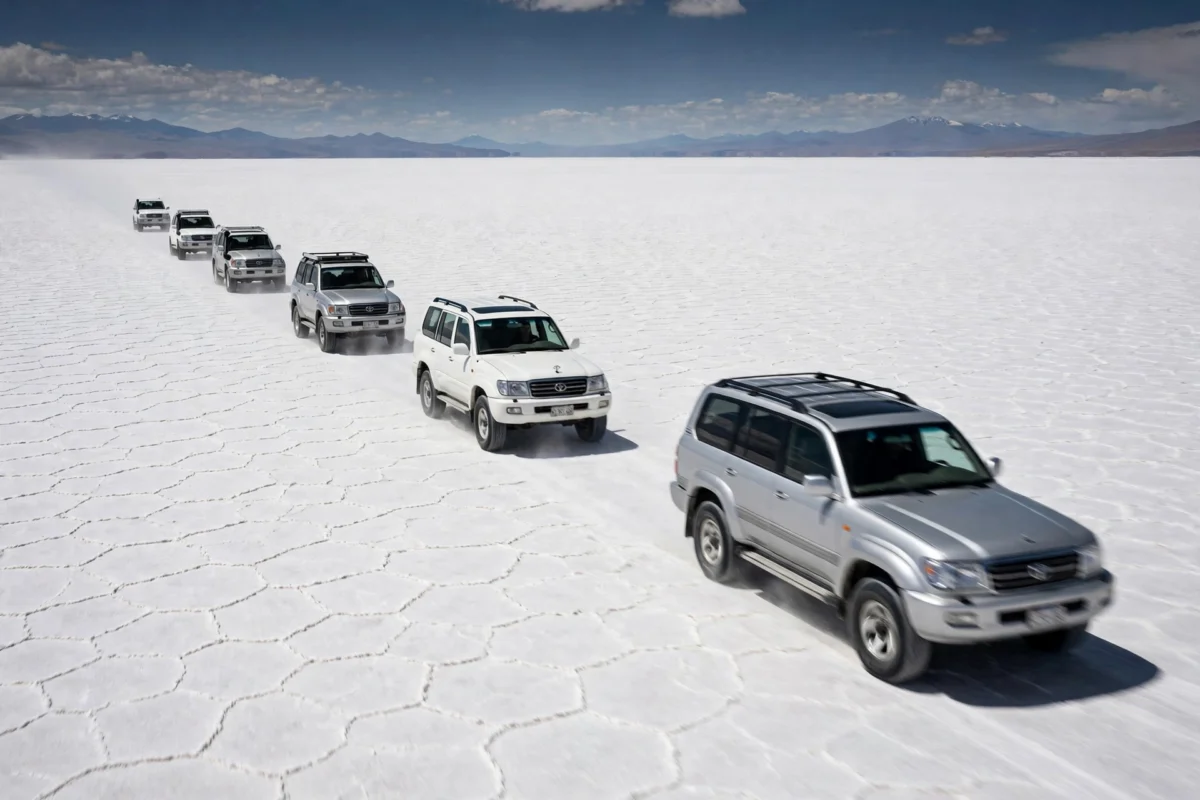
The Salar de Uyuni is one of the safest-feeling places in South America once you are out on the salt: empty horizons, silence, and a sky that goes on forever. The risks of a Uyuni trip are rarely about crime. They are about what happens before and during the tour — a badly maintained 4×4, a driver awake for 20 hours, a “cheap” booking that quietly drops half the itinerary, or Altiplano altitude and cold catching you unprepared.
The good news: almost all of these problems are avoidable with ten minutes of checking before you hand over any money. This guide covers how to choose a legitimate operator, the scams and pressure tactics to watch for, road safety, and what to do if something goes wrong. Still planning the journey? Start with how to get to Uyuni from La Paz and check the Bolivia visa requirements for US citizens.
Key takeaways
- Book with an operator that has a real office in Uyuni and vehicles you can inspect before paying.
- The vehicle and driver matter more than the price: check tires, seatbelts and spare wheels, and ask who drives.
- Never pay in full to a bus-station tout; pay in the office and get a written receipt.
- Altitude (up to 5,000 m / 16,400 ft on 3-day routes), cold, and reflected sun on the salt are the biggest health risks.
- Insurance covering high-altitude evacuation is not optional on the 3-day route.
Is the Salar de Uyuni Safe? The Honest Picture
Uyuni is a small, quiet town, and the salt flat itself is about as low-crime as travel gets — there is simply almost nobody out there. Petty theft is uncommon compared with big cities, and violent crime against tourists is rare. For the wider country context, our sister site’s honest guide to safety in Bolivia covers the cities and transport hubs on the way.
Where travelers actually get hurt or lose money is more mundane: road accidents on long desert drives, altitude sickness on multi-day routes toward the Chilean border, severe cold in basic lodges, and bookings that were never what was promised. Uyuni safety is mostly about choosing well and preparing properly.
How to Choose a Legitimate Tour Operator
Dozens of agencies line the streets near Uyuni’s train station, and many sell seats on the same shared tours. A standard 3-day tour typically costs roughly US$150 to US$300 per person depending on group size, vehicle, and whether an English-speaking guide is included — so a quote far below that range is worth questioning, not celebrating. A legitimate operator is easy to recognise:
- A physical office you can walk into. Real agencies have premises, staff and a sign. If the “agency” is a person with a phone at the bus terminal, walk away.
- Registration and paperwork. Ask if the company is registered and whether the price includes entrance fees (for example, Isla Incahuasi) or those are extra. Legitimate operators answer in one sentence, in writing.
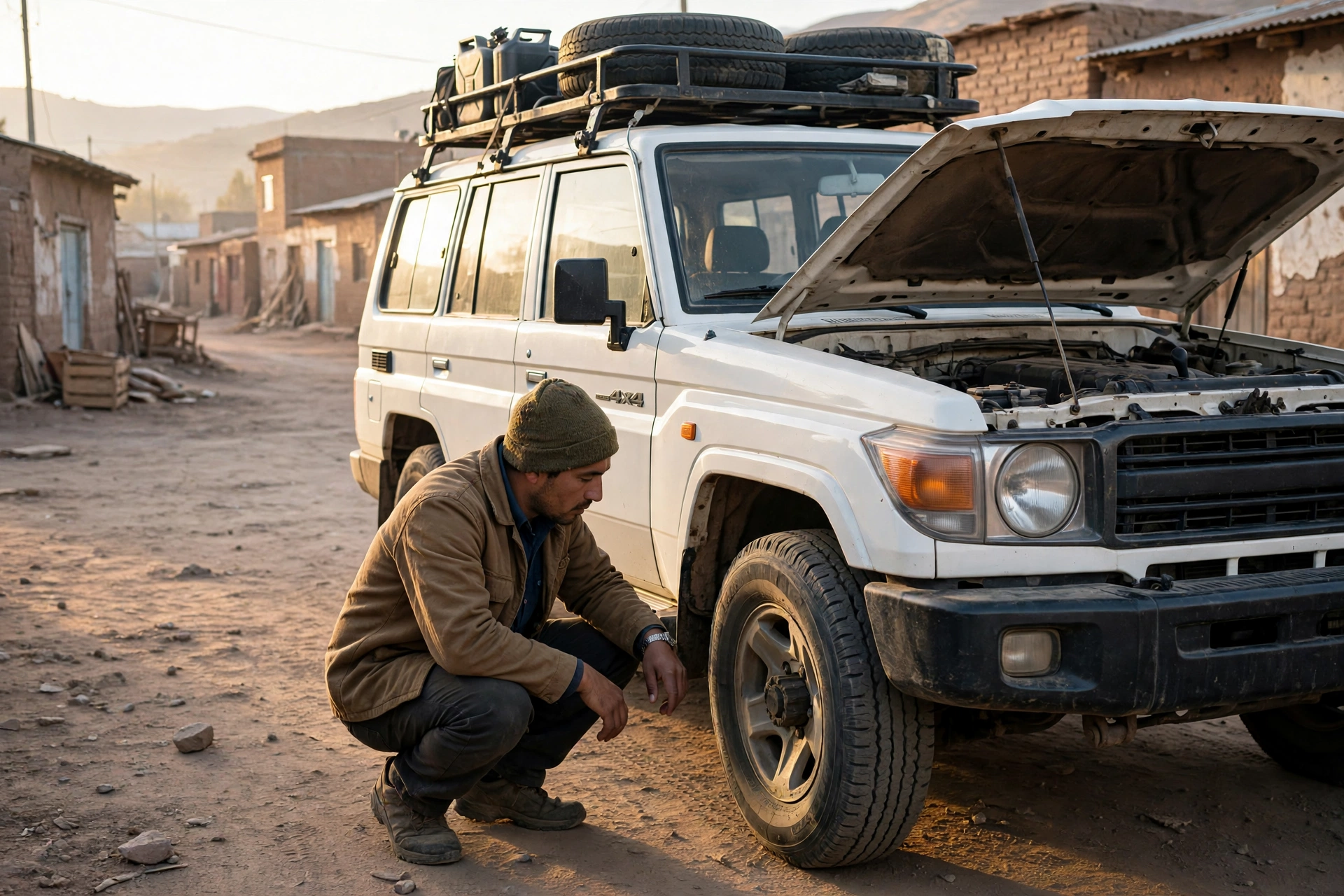
- Vehicles you can see. Ask to see the actual 4×4 — usually a Toyota Land Cruiser — before you pay. Check tire tread, seatbelts for every seat, and two spare tires on longer routes.
- A named driver with rest. Ask who will drive and whether the driver also cooks and guides. On 3-day tours drivers work extremely long days; reputable companies build in proper rest, and their drivers do not drink during the tour — worth confirming politely but directly.
- A written itinerary. Leave with the route, overnight stops, inclusions and exclusions, group size and departure time in writing, plus a receipt.
For what the standard 1-day, 3-day and private options include, see our breakdown of Salar de Uyuni tours compared.
| Sign of a legitimate operator | Red flag |
|---|---|
| Fixed office in Uyuni with staff and a sign | Seller approaches you at the bus station |
| Shows you the actual vehicle before payment | Refuses to show the car: “they are all the same” |
| Written itinerary, inclusions and receipt | Everything verbal; “pay now, details later” |
| Price within the normal range for the route | Price dramatically below every other agency |
| Clear answer on driver and maximum passengers | Vague about who drives; car overloaded |
| Explains entrance fees and exclusions | Claims “everything included”, then charges at each stop |
| Recent reviews mentioning the driver and vehicle | Only generic praise, or reviews warning of breakdowns |
| Happy for you to compare and come back | “Only one seat left, decide in five minutes” |
Common Scams and Pressure Tactics
Uyuni scams are usually about the booking, not your belongings:
- The too-cheap tour. A very low price often means an overloaded car, a driver doubling as cook and guide with no rest, skipped stops, or “extra” charges for things you assumed were included — entrances, toilets, hot showers, sleeping bags.
- The bus-station tout. Sellers who meet arriving buses sometimes represent no agency at all: they collect your money, sell your seat onward to a real operator and pocket the difference — leaving nobody responsible when something changes. Always book inside an office.
- The bait-and-switch vehicle or group. You are shown a good vehicle and promised a small group, then depart in a different, fuller car. Confirm the maximum passengers and note the vehicle when you book.
- Last-minute “the tour is cancelled” upsells. Occasionally a traveler is told their shared tour cannot run and is pushed into a far more expensive private tour. Check with another agency before paying extra — shared departures are frequent in high season.
None of these are a reason to avoid Uyuni — just a reason to spend fifteen unhurried minutes booking, ideally the afternoon before, not in a rush off a night bus.
Questions to Ask Before You Book
Keep this list on your phone. A good agency answers every question:
- How many passengers maximum in the vehicle, and is there a seatbelt for each?
- Who is the driver, and will the same driver do the whole route? Is there an English-speaking guide?
- What exactly is included: meals, water, entrance fees, accommodation, sleeping bag, oxygen?
- Where do we sleep each night, and is heating or a hot shower included or extra?
- Does the vehicle carry oxygen and a first-aid kit? What happens if someone gets severe altitude sickness?
- What is the cancellation policy if weather closes the salar or a route?
- Can I see the vehicle, and get the itinerary and total price in writing with a receipt?
Road and Vehicle Safety on the Salar and the Altiplano
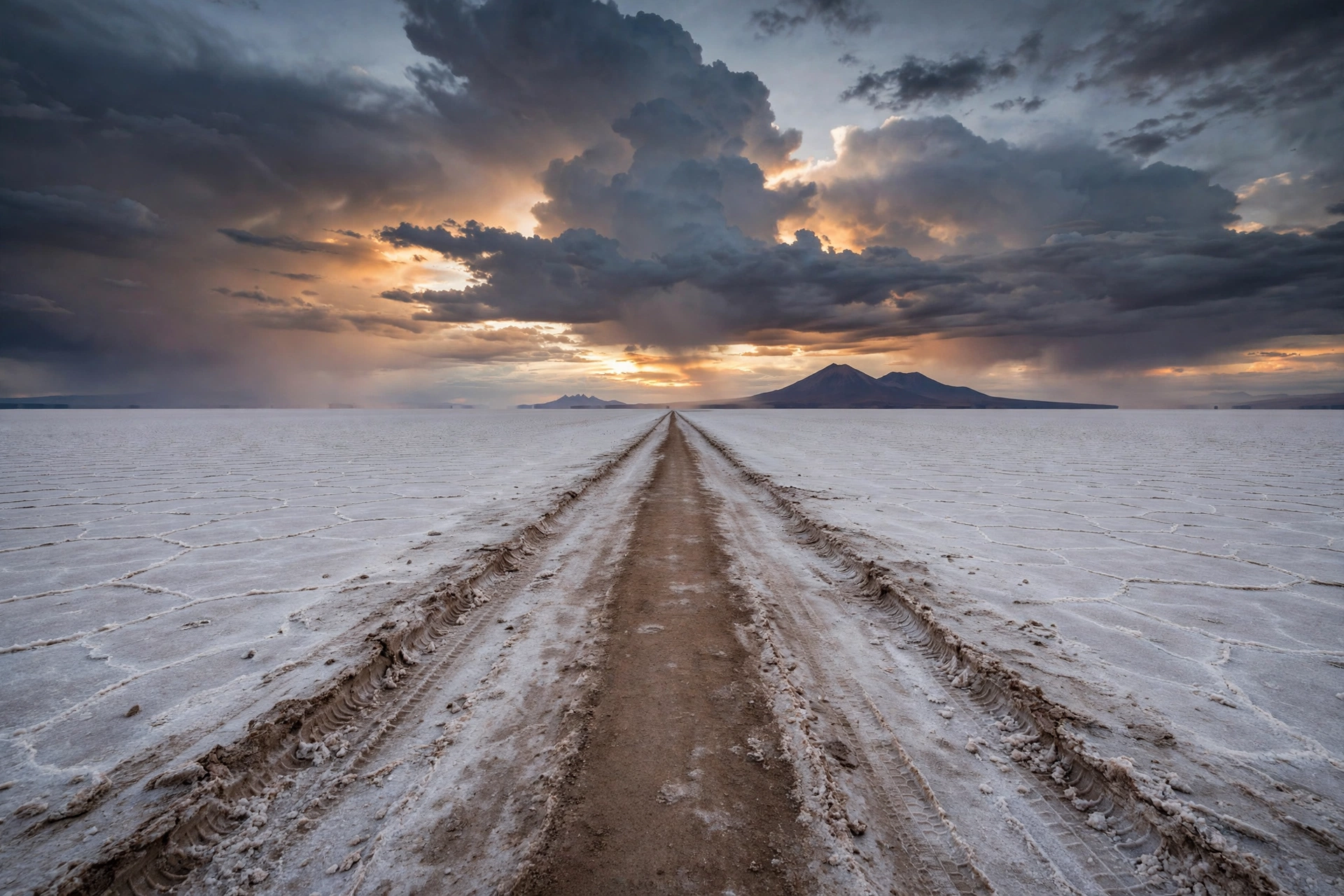
Distances are long and there is no phone signal for much of the journey. On the salt flat, vehicles follow tracks across a featureless white surface where judging distance and speed is surprisingly hard; in the rainy season (roughly December to March), a shallow water layer creates the famous mirror effect but hides the surface, which is why reputable operators slow down and follow established routes. On the 3-day route through the Eduardo Avaroa Reserve, roads become rough desert tracks with river crossings and long stretches between any help.
Your part is simple: wear the seatbelt, every time, even on the salt; refuse a seat in an overloaded vehicle; and speak up if a driver is speeding, visibly exhausted, or drinking — you can ask the agency to change the driver. Breakdowns happen even with good operators, so keep water and warm layers within reach in the cabin. If your vehicle stops mid-salar, stay with it: the car is the most visible object for miles.
Altitude, Cold and Sun: The Risks Nobody Warns You About
Uyuni town sits at about 3,656 m (11,995 ft), and the 3-day tour crosses passes near 5,000 m (16,400 ft). Altitude sickness is the most common medical problem on this route, and it does not care how fit you are. Take a day to acclimatise if you can, eat lightly, skip alcohol the first night, and read our guide to altitude sickness in Uyuni — including when symptoms mean you must descend.
Cold is the second surprise. Even in summer, Altiplano nights drop below freezing, and basic salt hotels and desert lodges may have limited heating. Bring warm layers, a hat and gloves for sunrise on the salt, and confirm whether a sleeping bag is included. Third is the sun: with white salt reflecting UV from below, sunburn happens fast. Sunglasses are essential — the glare can genuinely hurt your eyes — along with high-SPF sunscreen.
Because the nearest full hospital is hours away, insurance matters here more than on most trips. Choose a policy covering medical evacuation and activities at altitude, and check it against our sister site’s guide to the best travel insurance for South America.
Money and Payment Safety
Pay inside the agency office, by card if accepted or in cash against a written receipt stating the tour, date, inclusions and total. Avoid paying in full in advance to anyone you cannot find again, and keep a photo of the receipt. Uyuni’s ATMs can run dry around holidays, so arrive with enough bolivianos for entrance fees and extras. On tour, carry only what you need each day; leave passport and main cash at the hotel.
What to Do If Something Goes Wrong
If the tour is not what you paid for, raise it with the agency in person when you return to Uyuni, itinerary and receipt in hand — most disputes are about inclusions, and the paper settles them. If a vehicle feels unsafe, tell the driver to stop and contact the agency from the next town. For theft or a serious incident, file a police report — you will need it for an insurance claim. For a medical emergency, get to the hospital in Uyuni town and contact your insurer’s 24-hour assistance line early, since evacuation decisions at altitude should not wait. Digital copies of your passport, policy and receipts make every situation easier.
Plan your trip
Ready to book the journey, not just the tour? These are the services we recommend:
- Flights: compare flights to La Paz and onward connections to Uyuni on Skyscanner.
- Tours and activities: browse bookable Uyuni tours with clear inclusions on Civitatis.
- Travel insurance: cover high-altitude travel and medical evacuation with SafetyWing.
PLAN YOUR SALAR DE UYUNI TRIP
Book the tour, the hotel and the cover in one go
Frequently Asked Questions
Is the Salar de Uyuni safe for tourists?
Yes, generally. Crime is low in Uyuni town and on the salt flat. The real risks are road safety, altitude, cold and badly run tours — all reducible with a legitimate operator.
How do I know if a Uyuni tour operator is legitimate?
Look for a physical office in Uyuni, written itineraries and receipts, vehicles you can inspect before paying, and recent reviews mentioning the driver. Avoid anyone selling tours only at the bus station.
What is the most common Uyuni tour scam?
The too-cheap tour: a price far below the normal range that quietly means an overloaded car, skipped stops, or extra charges for entrances, showers and sleeping bags. Close behind is the bus-station tout who resells your seat and disappears.
How much should a 3-day Uyuni tour cost in 2026?
Shared 3-day tours typically cost roughly US$150–300 per person depending on group size, vehicle and whether an English-speaking guide is included. Quotes far below that range usually cut something important — ask what.
Can I visit the Salar de Uyuni without a tour?
It is strongly discouraged. There are no signs, fuel stations or phone signal on the salt, distances are deceptive, and in the wet season the surface hides hazards. Independent driving here is a known cause of serious accidents.
What should I check on the vehicle before the tour?
Tire tread, a working seatbelt for your seat, two spare tires on multi-day routes, and a general look of maintenance. On departure morning, confirm it is the vehicle you were shown.
Is altitude sickness a real risk on the Uyuni tour?
Yes. Uyuni is at about 3,656 m (11,995 ft) and 3-day routes cross passes near 5,000 m (16,400 ft). Acclimatise for a day if possible, avoid alcohol at first, and tell your driver if symptoms worsen.
Do I need travel insurance for the Salar de Uyuni?
Yes. Medical facilities on the route are basic and the nearest full hospital is hours away, so a policy covering high-altitude medical evacuation is essential.
What should I do if my tour is not what I paid for?
Return to the agency office in Uyuni with your written itinerary and receipt and raise it in person — most disputes are resolved with the paperwork. For theft or a serious incident, file a police report, which you will also need for an insurance claim.
When is the most dangerous time to visit the salt flat?
The wet season (roughly December to March) brings the mirror effect but also flooded surfaces, hidden hazards and occasional route closures; the dry-season winter (June to August) brings the most extreme night cold. Both are manageable with a good operator.
The Mirror of the World is an independent travel guide by a family from Bolivia. Some links here are affiliate links, which help keep the guide free at no extra cost to you.